
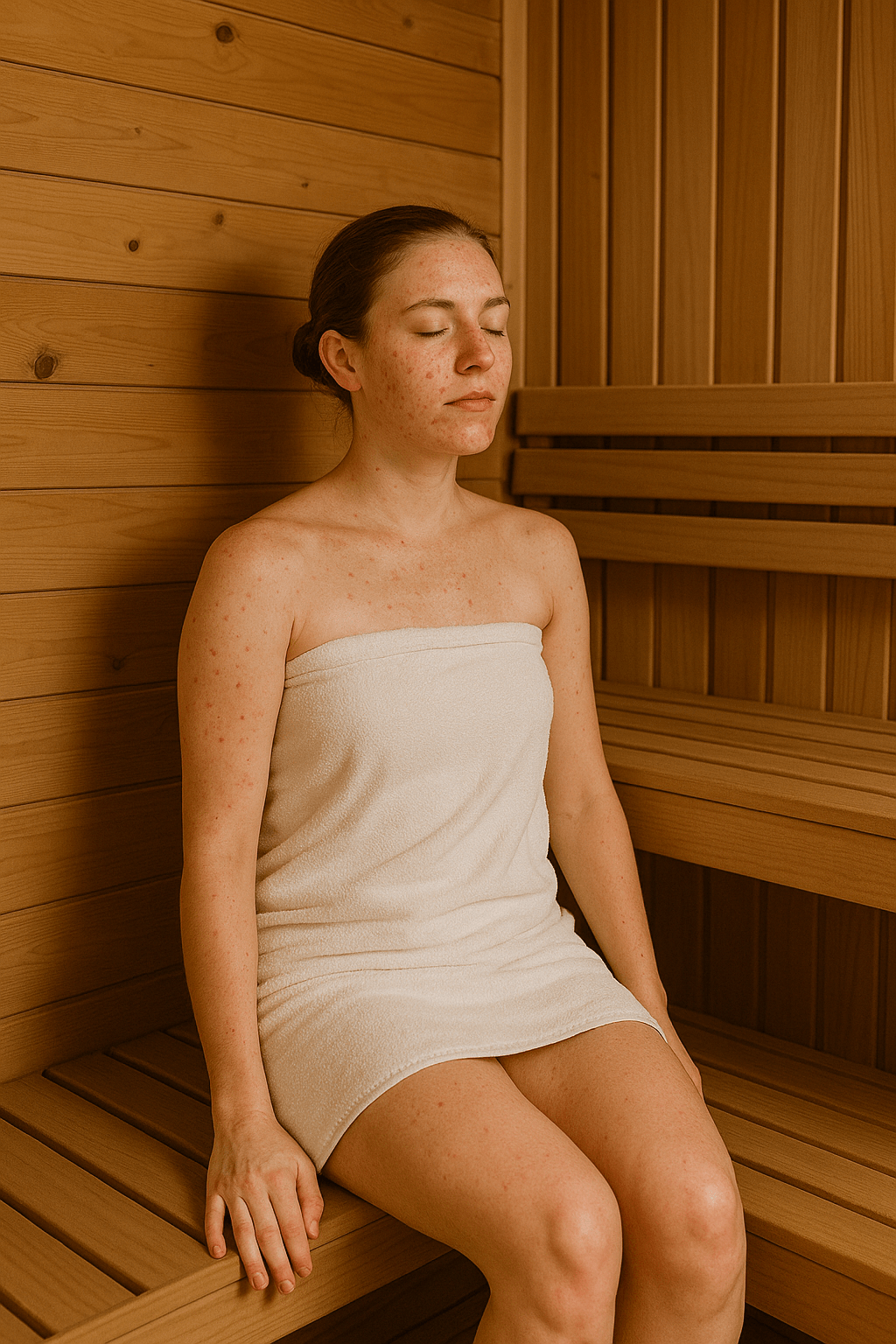

Will a Sauna Help Acne? Here’s the Science Behind Sweating Your Way to Clearer Skin
If you've been battling stubborn breakouts despite trying every cleanser, serum, and diet trick in the book, you're not alone. Adult acne affects millions of people, and the frustration is real when nothing seems to work consistently.
But here's something you might not have considered: regular sauna sessions could be a powerful ally in your quest for clearer skin. While saunas won't replace your dermatologist or skincare routine, emerging research suggests they can support healthier skin through improved circulation, natural detoxification, and stress reduction.
Let's dive into the science behind how saunas impact acne-prone skin and how you can use them effectively as part of your wellness routine.
The Science: How Saunas Support Skin Health
Deep Sweating Helps Flush Out Impurities
When you settle into a sauna, one of the first things you'll notice is the sweat. And that's exactly what your skin needs.
Sweating is your body's natural way of clearing out the gunk that accumulates in your pores throughout the day. Research published in the Journal of Dermatological Science found that regular sweating may support skin barrier function and microbial balance, potentially reducing inflammation associated with acne.
A study in Environmental Health Perspectives also identified that sweat can help excrete certain heavy metals and pollutants, though researchers note this varies by individual. While sweating alone isn't a magic detox solution, it does help clear trapped debris, excess oil, and bacteria from your pores, which can reduce the likelihood of clogged follicles and breakouts.
The key takeaway? That post-sauna glow isn't just surface-level. Your skin is literally flushing out impurities from the inside.

Enhanced Circulation Delivers Nutrients Where You Need Them
Think of sauna heat as a delivery system for your skin cells.
When you're exposed to high temperatures, your blood vessels dilate and circulation increases dramatically. A Finnish study published in JAMA Internal Medicine found that regular sauna bathing improves endothelial function and overall circulation throughout the body, including the skin.
Why does this matter for acne? Better blood flow means:
- More oxygen reaching your skin cells
- Enhanced nutrient delivery to support healing
- Faster repair of acne lesions and blemishes
- Increased collagen synthesis for skin rejuvenation
A review in Frontiers in Physiology confirmed that heat therapy increases microvascular blood flow in the dermis, supporting tissue repair processes. Translation: your skin heals faster and looks healthier when circulation is firing on all cylinders.
Stress Reduction Means Fewer Hormonal Breakouts
Here's something many people don't realize: your stress levels have a direct impact on your skin.
Chronic stress triggers cortisol surges, and elevated cortisol is a well-documented acne aggravator. Research published in Clinical, Cosmetic and Investigational Dermatology found that cortisol regulation plays a measurable role in acne severity, with stress reduction techniques showing visible effects on skin clarity.
Saunas are powerful stress-management tools. The heat promotes relaxation by boosting endorphin production while simultaneously lowering stress hormones. The American Academy of Dermatology reinforces the stress-acne connection, recommending stress-management routines as part of comprehensive dermatological care.
So when you're relaxing in a sauna, you're not just unwinding mentally—you're actively supporting clearer skin by keeping stress-related breakouts at bay.
Which Type of Sauna Works Best for Acne?
Not all saunas offer the same skin benefits. If you're specifically targeting acne and skin health, infrared saunas stand out for several reasons.
Why Infrared Saunas Are Ideal for Skin Health
Infrared saunas use infrared light to heat your body directly rather than heating the surrounding air. This creates a different physiological response compared to traditional saunas.
Research in Lasers in Medical Science found that infrared exposure can stimulate collagen production and accelerate wound healing by activating fibroblasts. This is particularly beneficial for acne scarring. NASA research published in the Journal of Clinical Laser Medicine & Surgery confirmed that near-infrared light supports cellular repair through photobiomodulation, helping damaged skin tissue regenerate more effectively.
The benefits of infrared for acne-prone skin include:
- Deeper penetration without excessive air temperature
- Enhanced collagen production for healing acne scars
- Cellular-level detoxification support
- Gentler heat that's less likely to irritate sensitive skin
Ready to explore your options? Browse infrared sauna models designed for home wellness routines.
Consider Full Spectrum for Comprehensive Benefits
If you want the most versatile sauna experience, full spectrum saunas combine near, mid, and far infrared wavelengths. This gives you a broader range of therapeutic benefits beyond just skin health, making them excellent multi-purpose wellness tools.
How to Use Saunas Effectively for Clearer Skin
Getting the most out of your sauna sessions for acne requires more than just showing up and sweating. Here's how to do it right.
Before Your Session
Start with a clean slate. Remove all makeup, sunscreen, and skincare products before entering. This ensures your pores can properly release impurities without additional barriers. Think of it as giving your skin permission to breathe and detox naturally.
Hydrate thoroughly. Drink at least 8-16 ounces of water before your session. Proper hydration helps your body efficiently flush toxins and keeps your skin cells functioning optimally during the heat exposure.
During Your Session
Keep it moderate. Aim for 15-30 minutes per session. While it might be tempting to stay longer, excessive heat exposure can actually irritate sensitive or acne-prone skin. The WHO and European Sauna Association recommend this duration as safe and effective for most healthy adults.
Use a clean towel. Always sit on a clean towel and have another handy to gently blot (not rub) sweat from your face. This prevents bacteria from other surfaces from contacting your skin.
Listen to your body. If you feel dizzy, nauseous, or uncomfortable, exit immediately and cool down. Your skin benefits when you're relaxed, not stressed.
After Your Session
Rinse with lukewarm water. Once you've cooled down for a few minutes, rinse your face and body with lukewarm water. This removes the sweat and any impurities that have surfaced without shocking your skin with extreme temperature changes.
Follow with gentle skincare. Apply a lightweight, non-comedogenic moisturizer or hydrating serum. Your pores are open and receptive after sauna use, making this an ideal time for beneficial ingredients to absorb. Board-certified dermatologist Dr. Jeremy Fenton emphasizes that cleansing after sweating is essential to prevent re-clogging of pores.
Continue hydrating. Drink another 8-16 ounces of water post-session to replenish what you've lost through sweating.
The Benefits: What You Can Expect
When you incorporate regular sauna sessions into your skincare routine, here's what the research and anecdotal evidence suggest:
- Natural pore cleansing without harsh chemicals or abrasive treatments
- Faster healing of existing blemishes and acne lesions
- Reduced inflammation and redness through improved circulation
- Better stress management, leading to fewer hormonal breakouts
- Enhanced skin radiance from increased blood flow and oxygenation
- Improved scarring outcomes from collagen stimulation (especially with infrared)
Keep in mind that results vary by individual, and saunas work best as part of a comprehensive approach to skin health that includes proper nutrition, quality skincare products, and professional dermatological care when needed.
Looking to make sauna therapy a regular part of your routine? Explore home sauna options that fit your space and lifestyle.
Important Considerations
While saunas offer promising benefits for many people with acne, they're not right for everyone or every skin condition.
If you have rosacea, eczema, or other inflammatory skin conditions, consult with a dermatologist before beginning sauna therapy. The intense heat may exacerbate certain conditions, even though it helps others.
Pregnant women, people with cardiovascular conditions, and anyone with compromised immune systems should also speak with their healthcare provider before using saunas regularly.
And remember: saunas support skin health, but they don't replace medical treatment. If you're dealing with severe acne, cystic acne, or persistent skin issues, work with a board-certified dermatologist to develop a comprehensive treatment plan.
Frequently Asked Questions
Do saunas help unclog pores or make acne worse?
Saunas can help unclog pores naturally through increased sweating, which flushes out trapped debris and excess oil. However, if you don't cleanse properly after your session, the sweat and released impurities can dry on your skin and potentially clog pores again. The key is always washing your face with lukewarm water and a gentle cleanser after you cool down from your sauna session.
What's the difference between infrared and traditional saunas for skin health?
Traditional saunas heat the air around you to high temperatures (typically 150-195°F), which then heats your body. Infrared saunas use infrared light to heat your body directly at lower ambient temperatures (usually 120-150°F). For acne-prone skin, infrared saunas offer advantages: they penetrate deeper into the skin tissue, stimulate collagen production more effectively, and are generally gentler on sensitive skin. Both types promote sweating and circulation, but infrared provides additional cellular-level benefits through photobiomodulation.
How often should I use a sauna for clearer skin?
Most research suggests 2-4 sessions per week for optimal benefits. This frequency allows your skin to experience regular detoxification and circulation boosts without overdoing it. Start with 1-2 sessions weekly if you're new to sauna use, then gradually increase as your body adapts. Consistency matters more than intensity—regular moderate sessions will serve your skin better than occasional extreme ones.
Can sweating really remove toxins from the body?
The science here is nuanced. While sweat does contain trace amounts of heavy metals and certain pollutants, it's not your body's primary detoxification system—your liver and kidneys handle most of that work. However, sweating does help remove surface-level impurities from your pores, excess salts, and some metabolic waste products. Think of sauna sweating as a supportive detox mechanism rather than the main event. The Cleveland Clinic notes that while sweat can help clear impurities, it's not a replacement for proper organ function and good hygiene habits.
Is sauna use safe for people with rosacea or eczema?
This depends on the individual and the severity of the condition. High heat can trigger flare-ups in some people with rosacea, causing increased redness and inflammation. Similarly, people with eczema may find that excessive sweating irritates their compromised skin barrier. If you have either condition, start with shorter sessions at lower temperatures and monitor your skin's response carefully. Always consult with a dermatologist before beginning sauna therapy if you have inflammatory skin conditions.
Does sauna heat kill acne-causing bacteria?
While sauna heat does create an inhospitable environment for some bacteria, it doesn't directly kill acne-causing bacteria like Cutibacterium acnes (formerly Propionibacterium acnes) that live deep in your pores. The benefits for acne come more from improved circulation, pore cleansing through sweating, stress reduction, and enhanced healing—not from bacterial sterilization. You'll still need proper cleansing and potentially topical treatments to address bacterial components of acne.
How soon do you see results from sauna therapy for acne?
Results vary significantly by individual, skin type, and acne severity. Some people notice improved skin texture and radiance within 1-2 weeks of regular sessions. For acne reduction, you might see initial improvements in 3-4 weeks, with more significant changes appearing after 2-3 months of consistent use. Remember that saunas work best as part of a comprehensive skincare approach—they support your skin health but aren't a standalone cure for acne.
The Bottom Line
Saunas offer a natural, science-backed way to support clearer, healthier skin through enhanced circulation, natural detoxification, and stress reduction. While they won't replace your skincare routine or medical treatment, they can be a valuable addition to your wellness toolkit.
The key is using saunas consistently and correctly: clean skin going in, moderate session lengths, proper hydration, and thorough cleansing afterward. Whether you choose an infrared sauna for its deep tissue benefits or a traditional sauna for its intense heat experience, your skin can benefit from regular heat therapy.
Ready to experience the skin health benefits of sauna therapy for yourself? Explore our complete collection of home saunas and find the perfect fit for your wellness journey.
Your skin—and your confidence—will thank you.



Leave a comment
This site is protected by hCaptcha and the hCaptcha Privacy Policy and Terms of Service apply.